
Raising a confident reader, from Foundation to Year 10
Reading sits under every other subject, including maths. Here’s how reading confidence develops, and how to help your child at any stage.
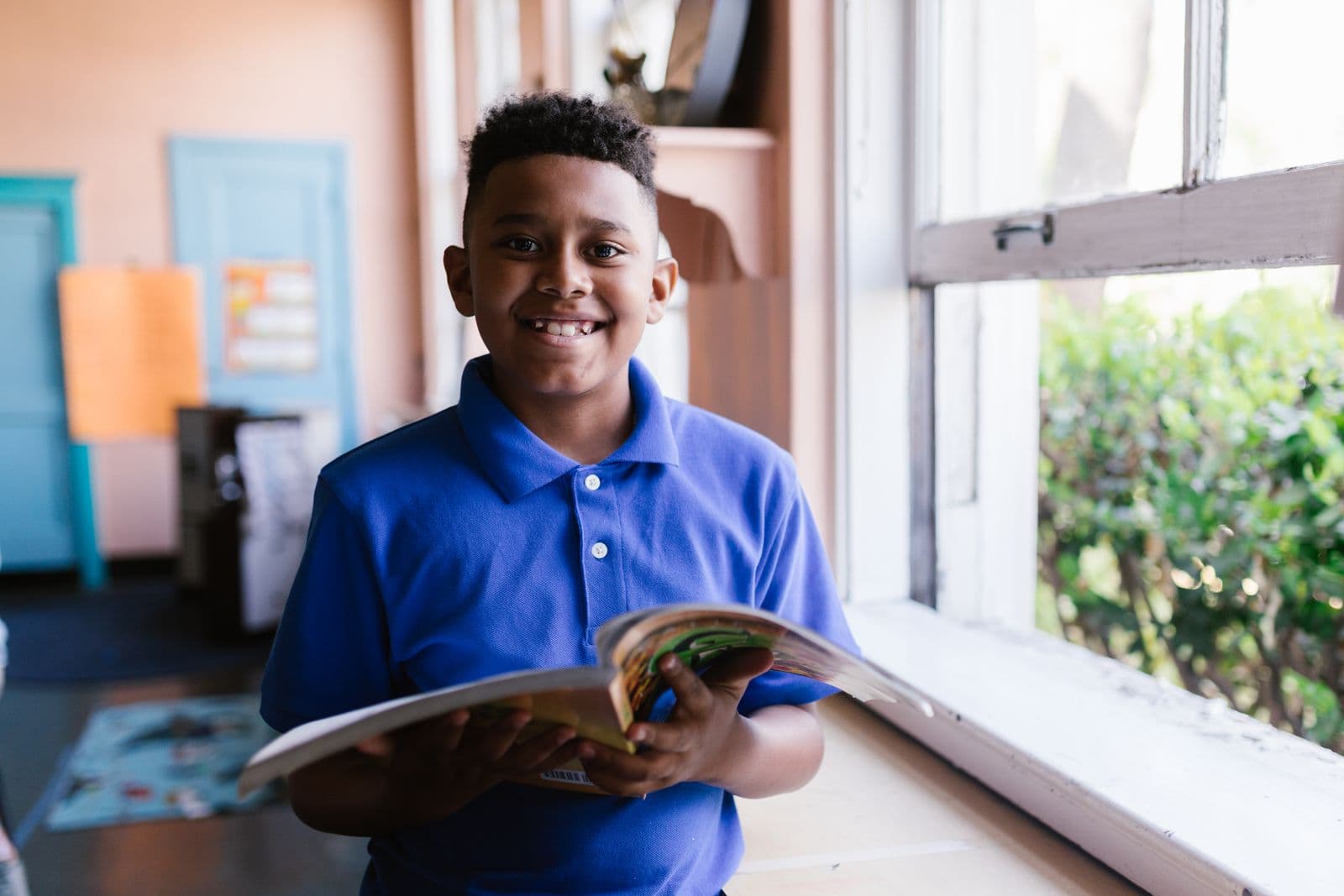
Photo: RDNE Stock project
Reading is the quiet engine under everything else at school. A child who reads with confidence understands the maths word problem, follows the science instructions, and writes a stronger answer in every subject. A child who finds it a slog carries that weight into all of it. The encouraging part: reading confidence can be built at any age, and you have more influence on it than you might think.
What does "reading confidence" actually mean?
How reading develops, stage by stage
That shift around Years 3 to 4 is the one to watch. Up to then, children are learning to read. After it, they’re reading to learn, and the whole curriculum quietly assumes they can. A child who reaches it still working hard to decode will start to struggle across subjects, often without anyone naming reading as the cause.
My child can read but hates it. What’s going on?
If every page is hard work, of course they’d rather not. Closing the fluency gap so reading feels easy is often what turns a reluctant reader around. And don’t underestimate the right book: a series they love, a topic they’re obsessed with, even a comic or graphic novel can be the thing that flips reading from chore to choice.
Wondering whether your child’s reading is where it should be? A free assessment will tell you, and show you what to focus on.
Book a free assessmentA simple reading routine for home
- Let them choose. Interest beats "reading level" for motivation. A loved book at an easy level still builds fluency.
- Keep reading aloud, even with older children. Hearing fluent reading models it, and sharing a story keeps it warm.
- Talk, don’t quiz. "What do you reckon happens next?" beats "what was the main idea?". Curiosity over interrogation.
- Let them see you read. Children copy what they watch their parents value.
How Lynn’s English builds confident readers
We start by finding which stage your child is genuinely at, then teach to that point rather than their year level. If decoding or fluency is the issue, we rebuild it. If they read well but can’t yet infer or analyse, we grow that. A low student-to-educator ratio means no child gets lost, and personal attention lets us match the work, and the books, to your child. Because reading underpins maths word problems and every written subject, the gains tend to show up well beyond English.
Wondering if Lynn’s Learning is right for your child? Book a free, no-obligation assessment.
Book a free assessmentFrequently asked questions
How much should my child read at home?
Ten to fifteen minutes on most days is plenty, and far more useful than a long session once a week. Consistency and enjoyment matter more than the number of pages.
My child only wants graphic novels or 'easy' books. Is that a problem?
Not at all. Anything your child reads willingly builds fluency and a reading habit. Graphic novels and easier books keep reading enjoyable, and enjoyment is what keeps them reading.
How do I help a reluctant reader?
Check whether reading still feels effortful (a fluency gap worth closing) and help them find books they genuinely want to read. Keep it low-pressure, read together, and talk about stories rather than testing them.
Does reading really affect other subjects?
Yes, strongly. Reading underpins maths word problems, science instructions and every written task. Building reading confidence tends to lift results well beyond English.
More for parents
Does my child need a tutor? An honest guide for Melbourne parents
Not every child needs one. The real signal is how your child feels about a subject, not just the grade, and there are clear signs to watch for.
What actually happens in a free Lynn’s Learning assessment
Booking a free assessment but not sure what you’re walking into? Here’s exactly what happens on the day, start to finish.
Is my child ready for school? A calm guide for Victorian parents
School readiness is far more than knowing letters and numbers, and children arrive at Foundation across a wide, normal range. Here is what actually matters, and how to help at home.