
Is my child ready for school? A calm guide for Victorian parents
School readiness is far more than knowing letters and numbers, and children arrive at Foundation across a wide, normal range. Here is what actually matters, and how to help at home.
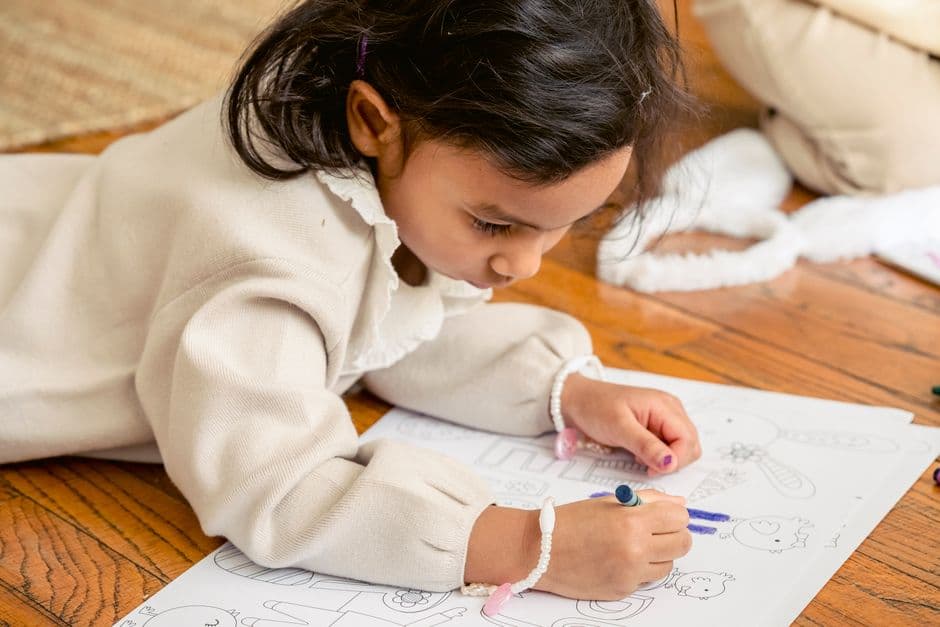
Photo: Eren Li
If your child is heading towards their first year of school and you’re quietly wondering whether they’re ready, you’re in very good company. Nearly every parent asks this. It usually comes with a little worry attached: should they know their letters by now, should they be counting further, is everyone else’s child further along? The short answer is that readiness is much broader than any checklist, and children arrive at Foundation (Prep) across a genuinely wide range. Almost all of it is normal.
In Victoria, children typically start Foundation (Prep) in the year they turn 5 by 30 April. Some are only just five when they walk in the gate, others are nearly six. That alone is close to a year of development sitting in one classroom, so a wide spread of skills on day one is exactly what schools expect and plan for.
What should my child be able to do before starting school?
It helps to think of readiness in a few gentle groups rather than one long list. None of these are pass-or-fail. They’re simply the kinds of things that make the first weeks smoother, and children keep developing every one of them right through Foundation.
Early literacy and numeracy
- Recognising some letters, often the ones in their own name first, and enjoying being read to.
- Hearing that words are made of sounds, like noticing that "ball" and "bat" start the same way.
- Counting a small group of objects, and knowing that numbers stand for how many.
- Recognising some numerals and everyday shapes.
Hands, body and pencil
- Holding a pencil, crayon or brush in some workable way, even if the grip isn’t perfect yet.
- Having a go at drawing, scribbling names, and using scissors and glue.
- Managing buttons, zips, shoes, a lunchbox and the toilet with growing independence.
Getting along and getting on
- Separating from you without too much distress, most days.
- Listening to a short story and following a simple two-step instruction.
- Taking turns, sharing, and playing alongside other children.
- Asking for help and having a go at something new.
Notice how much of that list has nothing to do with letters and numbers. That’s the point. Being able to sit and listen, wait for a turn, and cope with a busy room often matters more in the first term than whether a child can already recite the alphabet.
My child can’t do everything on the list. Should I worry?
A child who turns five in April is nearly a year younger than a classmate who turned five the previous May, and at this age a year is enormous. Boys and girls often develop different skills at different speeds too. A child who can’t yet write their name might be brilliant at listening and sharing. A confident counter might find sitting still much harder. Schools see the whole range every single year, and Foundation teachers are experts at meeting children where they are.
Wondering where your child sits before school starts? A free, relaxed 30-minute assessment can give you a clear, calm picture, with no cost and no obligation.
Book a free assessmentHow can I help build early literacy and numeracy at home?
The most powerful thing you can do costs nothing and takes minutes. Little and often, kept light, does far more than drills. Here are simple ways to build the foundations without it ever feeling like school:
- Read together daily. Share picture books, run your finger under the words now and then, and let them turn the pages and guess what happens next.
- Play with sounds. Point out words that rhyme or start the same, and clap out the beats in names and words. This early sound awareness is a strong head start for reading.
- Count real life. Count steps, plates at the table, or cars of one colour. Numbers make more sense when they’re attached to real things.
- Let them be the writer. Shopping lists, cards for grandparents, their name on a drawing. Any mark-making builds the muscles and control that handwriting needs.
- Talk, a lot. Chat about your day, name things you see, ask open questions. A rich spoken vocabulary is the ground that reading and writing grow from.
- Model it. Let them see you reading, writing a note, or working out a bill. Children copy what they see the grown-ups they love actually doing.
When should I seek extra support?
Most of the time, a child who seems a bit behind at four or five simply needs a little more time and warm, low-pressure practice. Seeking support isn’t a sign something is wrong. It’s just paying attention, and early help is nearly always gentle and quick. If you’d like a calm second opinion on where your child is at, that’s exactly what our free assessment is for.
How Lynn’s Learning thinks about school readiness
We’ve supported families across Melbourne’s south-east for over 30 years, and we teach from Foundation upward, so early confidence is close to our heart. Our view is simple and reassuring: readiness is not a race, and no child is behind for life because of where they start at five. What lasts is how a child feels about learning. A child who believes books are fun and numbers make sense will keep growing, whatever their starting point.
That’s why our approach centres on confidence, concentration and ability, in that order. If you’d like to know where your child sits before or during their first year of school, we start with a free assessment, around half an hour per subject, with no cost and no obligation. You’ll leave with a clear, honest picture and simple next steps, whether or not you ever enrol.
Wondering if Lynn’s Learning is right for your child? Book a free, no-obligation assessment.
Book a free assessmentFrequently asked questions
When do children start Foundation (Prep) in Victoria?
In Victoria, children usually start Foundation (Prep) in the year they turn 5 by 30 April. That means some children are only just five when they start and others are nearly six, so a wide range of ages and skills in one classroom is completely normal.
Does my child need to read before starting school?
No. Most children learn to read once they’re at school, often around six or seven. Before Foundation, enjoying being read to and noticing the sounds in words matters far more than actually reading. There’s no expectation your child arrives reading.
Is it a problem if my child holds their pencil awkwardly?
Not usually at this age. A neat, mature pencil grip develops over time, and plenty of school-ready children still hold a pencil their own way. Lots of drawing, cutting, threading and play with small objects gently builds the hand strength and control that handwriting needs.
My child was born early in the year and seems younger than their classmates. Should I hold them back?
It’s a common question and there’s no single right answer. Age is only one part of readiness, alongside confidence, independence and how a child copes in a group. Chat with your kinder teacher and, if it helps, your maternal and child health nurse to weigh up what suits your child.
Do you offer support for children this young?
Yes. We teach from Foundation upward, so we can gently support early literacy and numeracy and, just as importantly, confidence. A free, relaxed assessment is a good, low-pressure way to see where your child is at and what might help.
More for parents
Raising a confident reader, from Foundation to Year 10
Reading sits under every other subject, including maths. Here’s how reading confidence develops, and how to help your child at any stage.
How to help your child start the school year strong
A strong start is less about a big push and more about a few calm habits set early: sleep, a tidy space, realistic goals your child owns, and gaps filled before they compound.

Does my child need a tutor? An honest guide for Melbourne parents
Not every child needs one. The real signal is how your child feels about a subject, not just the grade, and there are clear signs to watch for.