
How to help your child start the school year strong
A strong start is less about a big push and more about a few calm habits set early: sleep, a tidy space, realistic goals your child owns, and gaps filled before they compound.
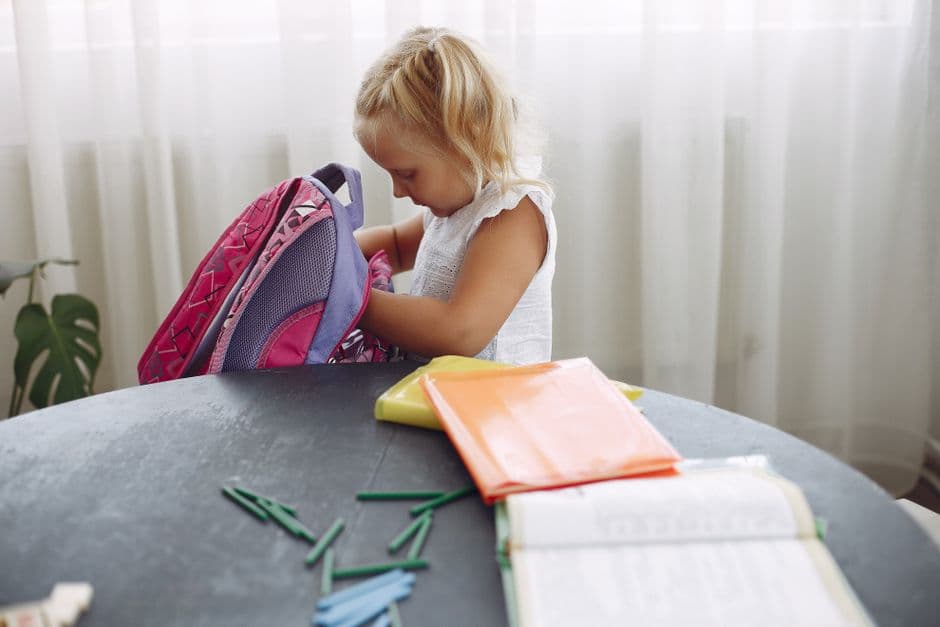
Photo: Gustavo Fring
The Victorian school year starts in late January, and the first few weeks set the tone for everything that follows. A strong start isn’t about a big summer push or a wall of new resolutions. It’s a handful of calm habits, set early, so your child walks in settled rather than scrambling. After 30 years of first-weeks-back with families across Melbourne’s south-east, here is what actually helps, and what to skip.
How do I help my child start the school year well?
Everything below fits into an ordinary week. You don’t need a chart on the fridge or a strict summer schedule. You need a few things in place before the first bell, so the term builds on solid ground instead of a shaky one.
Getting the routine and sleep back on track
Holidays stretch bedtimes out, and that’s fine while it lasts. The trouble comes if the first day of school is also the first early morning in six weeks. Tired children find everything harder, and the first week is when they’re forming a fresh view of the year and themselves in it.
Ease the routine back over the last week of the break rather than overnight. A few pointers that help:
- Wind bedtimes and wake-ups back in stages across the final week, not all at once.
- Build a simple pre-sleep wind-down: a bath or a shower, then reading, roughly an hour before lights out.
- Get screens out of the last hour before bed, and keep intense or scary content away from bedtime.
- Sort uniforms, bags and lunches the night before, so mornings are calm rather than a rush.
Setting up a space to work
Children concentrate better in a spot that’s set aside for it. It doesn’t need to be a study or a fancy desk. It needs to be consistent, reasonably tidy, and free of the worst distractions, so that sitting down there quietly signals it’s time to work.
- Pick one regular spot with decent light and room to spread out a book or two.
- Keep the basics within reach: pencils, a ruler, paper, whatever the week actually calls for.
- Reset it together each week. A five-minute tidy stops clutter creeping back and taking the space over.
- Keep phones and the TV out of view during homework. Out of sight really does help.
Should my child set goals for the year?
The start of the year is a natural moment to look forward, and children respond well to it when they lead. Open with what went well last year, so the conversation starts from confidence, then talk about what they’d like to get better at. Offer some categories to spark ideas, school, sport, music, friendships, a new skill, but let the choice be theirs.
Then shape it into something workable. A vague "get better at Maths" is hard to hold on to; "practise times tables three afternoons a week" is something a child can actually see themselves doing and tick off. Keep it realistic and a little bit motivating, break bigger aims into small steps, and mark the wins along the way. The trap to avoid is quietly turning it into your goal. The moment it becomes a task you’re enforcing, the ownership that made it work is gone.
Keeping the reading habit alive
Reading is the habit parents most often underrate, and it quietly supports almost everything else at school, from vocabulary to comprehension to writing. It doesn’t need to feel like homework. A book at bedtime, a comic in the car, twenty minutes on the couch, it all counts.
Make it part of the week rather than a chore. Read alongside younger children, let older ones choose their own books even if the choice surprises you, and talk about what they’re reading now and then. A short conversation about a story does more than any reading log. If you’d like more on this, our post on keeping learning going over the holidays has ideas that carry straight into term time.
Why fill last year’s gaps before the new term builds on them?
Have a look back before the year gets busy. Old reports and teacher comments will point you at the spots that never quite clicked, and a term or two of holidays can blur even the things that did. A child who found fractions shaky last year won’t magically find this year’s fraction work easier; the same wobble is waiting, now underneath more.
This is the one area where a bit of outside help early pays off most. A short check at the start of the year shows you exactly where the gaps are, while there’s still plenty of time and no pressure. That’s why we offer a free assessment, about half an hour per subject, at the beginning of Term 1: it tells you what’s solid, what needs a little work, and what we’d focus on before the gap turns into a habit of "I’m just not good at this".
Start the term knowing exactly where your child stands. Book a free 30-minute-per-subject assessment, no cost and no obligation.
Book a free assessmentStaying involved without hovering
The last piece is you, present but not on top of them. Children do better when a parent is interested and encouraging, and less well when every homework session feels supervised. The aim is to know enough to spot a problem early, while leaving your child room to own the work.
- Stay across what they’re learning this term, enough to notice if a subject starts to slip.
- Praise the effort and the progress, not just the top marks. Not everything comes naturally to every child, and that’s normal.
- Use everyday moments: percentages while shopping, fractions while cooking, a question about the world on a drive.
- When something clearly isn’t clicking, act early rather than waiting for a report to confirm it.
If you’re weighing up whether the trouble is normal or a sign to get help, our guide on whether your child needs a tutor walks through the signs worth watching for.
The calm version of a strong start
None of this is dramatic, and that’s the point. A settled sleep routine, a tidy corner to work in, one or two goals your child actually owns, reading kept alive, last year’s gaps caught early, and a parent who’s involved without hovering. Do a few of these and your child starts the year steady, which is worth far more than a frantic summer of catch-up.
Wondering if Lynn’s Learning is right for your child? Book a free, no-obligation assessment.
Book a free assessmentFrequently asked questions
When does the school year start in Victoria?
Victorian government schools start in late January or early February, running across four terms through to December. The exact date shifts a little each year, so check your school’s calendar, but the last week of January is a safe time to have routines back in place.
How far ahead should we start getting back into a school routine?
About a week is plenty for most children. Wind bedtimes and wake-ups back in stages over the final week of the holidays, rather than resetting everything the night before the first day. A gradual shift is far kinder than a single early morning after weeks of sleep-ins.
How many goals should my child set for the year?
One or two is ideal. A short list your child chooses and can actually measure will do more than a long one you set for them. Keep each goal specific and realistic, break bigger aims into small steps, and celebrate the early wins to keep motivation up.
What subjects and year levels does Lynn’s Learning cover?
We support children from Foundation to Year 10 in Maths and English, plus dedicated Selective Entry and Scholarship preparation. Every program is matched to your child’s level rather than their age, and starts with a free assessment.
Is the start-of-term assessment really free?
Yes. It’s completely free, around 30 minutes per subject, in-centre, with no cost and no obligation to enrol. You’ll leave with a clear picture of what’s solid, where the gaps are, and what would help before the new term’s topics build on them.
More for parents
How to keep kids learning over the holidays (without it feeling like school)
You don’t need to run a home classroom. A little reading, some real-world Maths, a few good games and a Melbourne day out will keep the rust off, and rest still matters most.
Does my child need a tutor? An honest guide for Melbourne parents
Not every child needs one. The real signal is how your child feels about a subject, not just the grade, and there are clear signs to watch for.
Helping your child prepare for exams, calmly
Most exam stress comes from cramming and passive study. A steady plan, real practice questions and enough sleep beat re-reading notes every time.