
How to keep kids learning over the holidays (without it feeling like school)
You don’t need to run a home classroom. A little reading, some real-world Maths, a few good games and a Melbourne day out will keep the rust off, and rest still matters most.
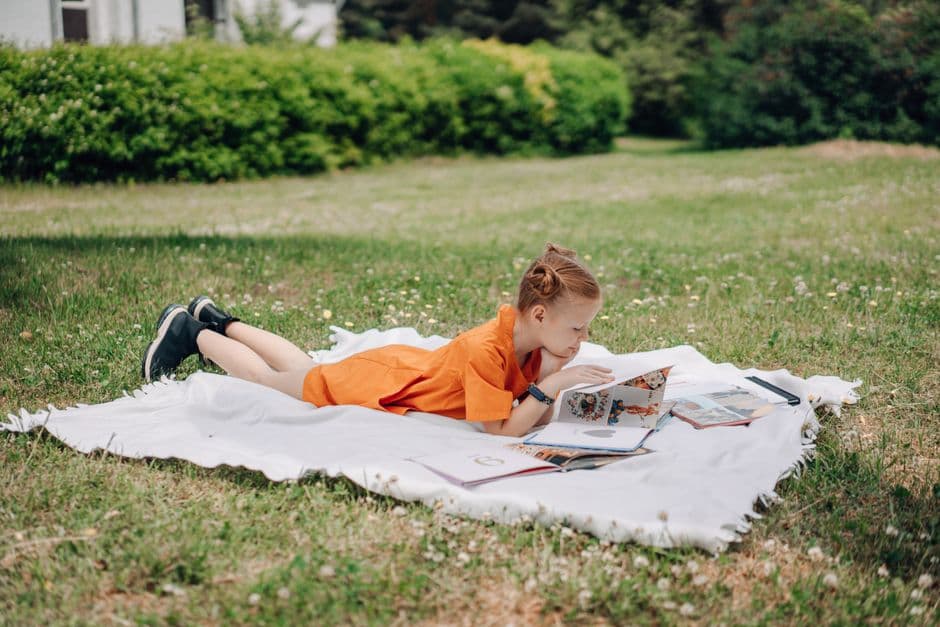
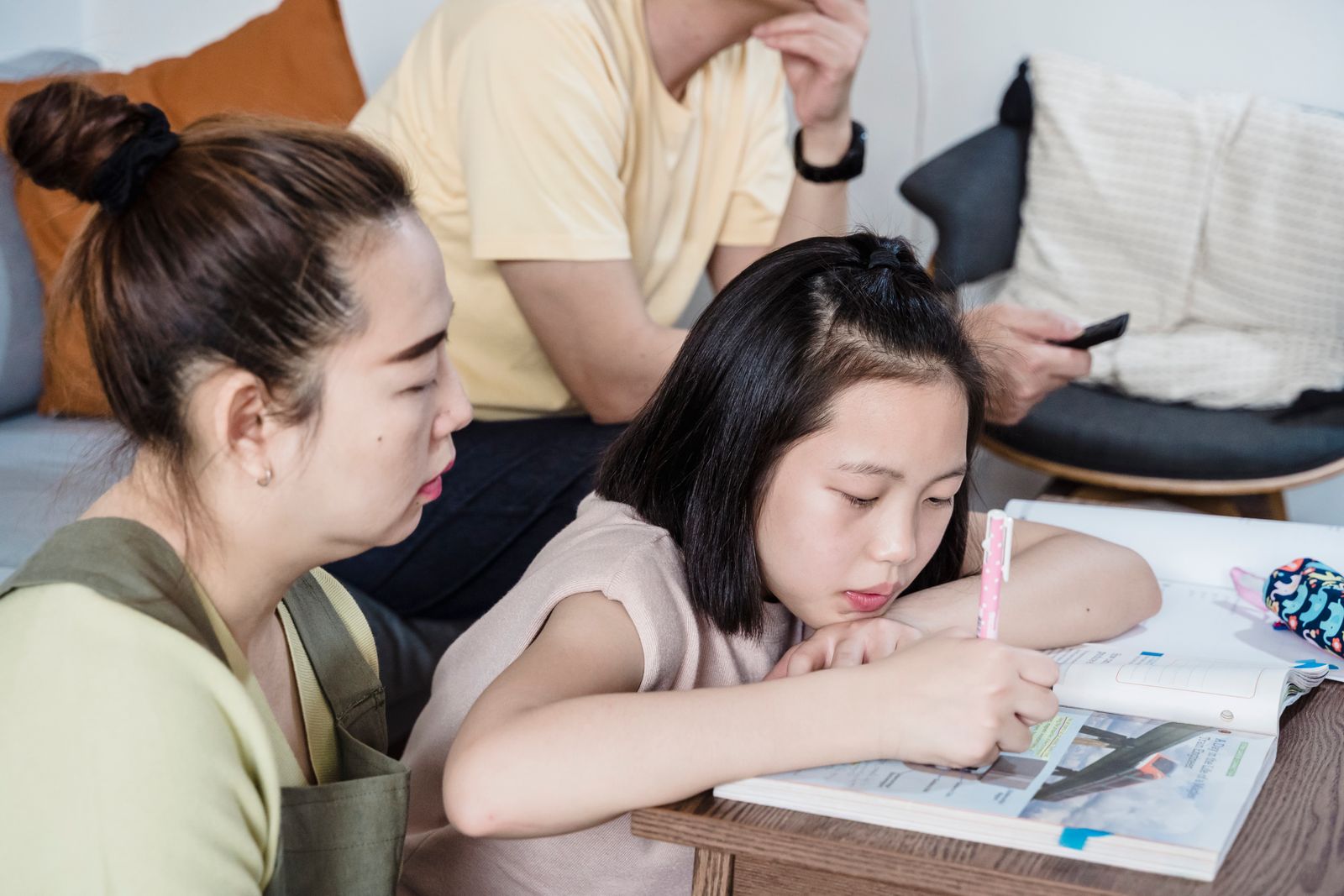
Photo: Mikhail Nilov
Every school holidays, a familiar worry surfaces: if my child switches off completely, will they lose ground? It’s a fair question. Long breaks can leave a bit of rust on skills that were sharp in term, something teachers see every February. But the fix isn’t a home classroom or a stack of worksheets on the kitchen table. It’s a handful of light habits, a few outings that happen to teach something, and, just as importantly, real permission to rest. Here is how we’d balance it.
Is it bad for kids to stop learning over the holidays?
The goal isn’t to keep your child in term mode. It’s to keep the machinery ticking over so the first weeks back aren’t a cold start. Reading a few times a week and slipping some Maths into everyday life is usually enough. Everything below is meant to be optional, low-key, and easy to fold into a normal holiday, not another thing to feel guilty about.
What are the easiest ways to keep kids learning at home?
Keep reading going
Reading is the single easiest thing to protect over a break, and it carries almost everything else. Let your child choose: novels, comics, footy stats, recipe books, the back of the cereal box. It all counts. Reading together still matters well past the early years, even if it’s just taking turns on a chapter at night. If you want the deeper case for this, our guide on raising a confident reader goes further.
Let them write for a real reason
Writing sticks when it has a point. A holiday diary, postcards to grandparents, a review of a movie they loved, a shopping list they’re in charge of, a note left for the tooth fairy. None of it needs marking. The act of choosing words, spelling them out and forming a sentence is the practice, and it keeps that muscle warm for when term writing tasks return.
Do the Maths that’s already happening
You don’t need a workbook. Everyday life is full of Maths if you hand it over to your child:
- Cooking. Doubling a recipe, measuring cups and grams, halving the mixture, timing the oven. Fractions and measurement, disguised as banana bread.
- Shopping. Which pack is better value? What’s 20% off this? How much change from twenty dollars? Let them work it out at the shelf.
- Budgeting a day out. Give them a set amount for an outing and let them plan it: entry, snacks, a treat, the train fare. Real stakes make the numbers matter.
- Pocket money. Saving for something specific teaches adding up, subtracting and patience better than any worksheet.
What games actually teach kids something?
You almost certainly own some of these already. Board and card games are quietly brilliant for maths and thinking:
- Uno and other card games for number recognition, colours, patterns and a bit of strategy.
- Monopoly for money handling, adding up, and weighing risk against reward.
- Pictionary or charades for vocabulary, quick thinking and reading each other.
- Scrabble or Boggle for spelling and word-building.
And the best games need no equipment at all, which makes them perfect for the car or a queue:
- Twenty Questions. One person picks something; everyone else narrows it down with yes-or-no questions. Pure logic and deduction.
- The category chain. Name something in a category (say, animals) that starts with the last letter of the previous word. Great for vocabulary and thinking on your feet.
- The memory list. "I went to the market and I bought...", each player adds an item and repeats the whole list. Sneaky memory training.
Screen time can pull its weight too, in moderation. There are solid free learning sites and apps for reading, Maths and science; used in small doses they’re a fair swap for passive scrolling. The point isn’t to ban screens, it’s to aim a little of that time at something that gives back.
What are some educational days out around Melbourne?
A good outing does more than fill a day. It shows a child that the world is interesting, which is the root of every kind of learning. Around Melbourne and the south-east, you’re spoiled for choice:
- Melbourne Museum for dinosaurs, the human body, First Peoples’ history and a whole rainforest under one roof.
- Scienceworks in Spotswood for hands-on science and the planetarium: physics and space you can actually touch.
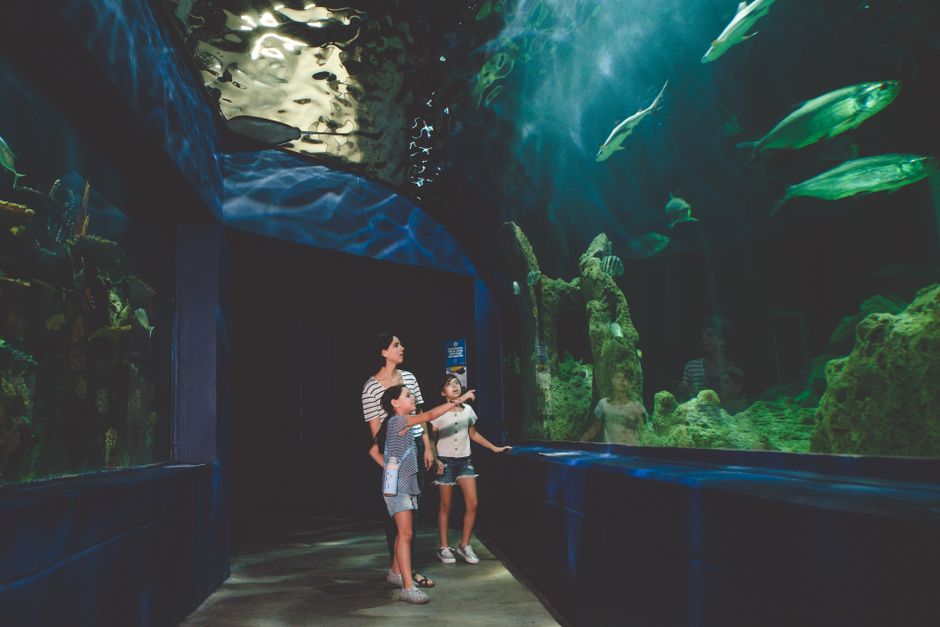
- Sea Life Melbourne Aquarium for sharks, rays and the kind of marine science kids will happily talk about for a week.
- Melbourne Zoo and Werribee Open Range Zoo for animals, keeper talks and a gentle lesson in habitats and conservation.
- State Library Victoria for the free reading rooms, exhibitions and holiday programs, plus your local library, which runs free school-holiday activities and is the easiest win of the lot.
- The National Gallery of Victoria for art that sparks conversation, often with free family and kids’ programs.
- A local market for a real-world Maths lesson: comparing prices, handling money, and working out change while they shop.
You don’t need to spend a fortune, and many of these are free or close to it. Check each venue’s website for current programs and any booking before you go, since holiday activities change term to term.
Should I make my child study over the holidays?
This is the part parents forget in the rush to hold off the holiday slide: rest is not the enemy of learning, it’s part of it. A child who’s flat out all year needs the break to reset, and the brain does quiet, important work while they muck about, get bored, and follow their own ideas. Boredom isn’t a problem to solve; it’s often where creativity starts. So let the days be slow sometimes. Reading on the couch, a long board-game afternoon, doing nothing in particular. That counts as a good holiday too.
The aim over the break is a gentle simmer, not a rolling boil. Keep the skills warm, and let your child properly rest. Both matter.
How Lynn’s Learning fits into the holidays
We’ve worked with families across Melbourne’s south-east for over 30 years, and our view on holidays is relaxed. For most children, the mix above is plenty: a bit of reading, some everyday Maths, good games, a couple of outings, and lots of rest. You don’t need to buy a program to protect a two-week break.
Where we do help is the bigger picture. Our educators run regular weekly sessions through the year, so if the holidays have surfaced a gap, or you’ve noticed your child dodging a subject, the break is a good moment to sort it before term ramps up. Everything is personalised to where your child actually is, and we start with a free assessment, about half an hour per subject, so you can see clearly where they stand before deciding anything.
Wondering if Lynn’s Learning is right for your child? Book a free, no-obligation assessment.
Book a free assessmentFrequently asked questions
How much time a day should my child spend learning over the holidays?
Very little, and only if they’re up for it. Ten to twenty minutes of reading most days, plus the odd bit of everyday Maths like cooking or shopping, is more than enough to keep skills ticking over. Holidays should feel like holidays, so let rest lead.
My child refuses to read on holidays. What can I do?
Widen what counts. Comics, graphic novels, joke books, recipe cards, game guides and audiobooks all build reading. Let them choose the book, read alongside them, and drop any pressure to "read properly". The habit matters far more than the material.
Are educational apps and screen time a good idea over the break?
In moderation, yes. Aimed at reading, Maths or science, a short burst on a good learning app or site is a fair swap for passive scrolling. Keep it time-limited and balanced with offline play, books and time outside.
Does Lynn’s Learning run holiday programs?
We run regular weekly Maths and English sessions through the year rather than a separate holiday camp. The school break is a good time to book a free assessment and start fresh, so your child heads into the new term with any gaps already being addressed.
Which Melbourne outings are best for younger children?
Your local library’s holiday program, Scienceworks and the aquarium tend to land well with younger kids, since they’re hands-on and hold short attention spans. Keep visits shortish, follow what interests them, and don’t worry about "covering" everything.
More for parents
Raising a confident reader, from Foundation to Year 10
Reading sits under every other subject, including maths. Here’s how reading confidence develops, and how to help your child at any stage.
Why your child says "I’m bad at maths" (and how to change it)
"I’m just bad at maths" is a story your child has started telling themselves. It’s almost never true, and here’s how to change it.
Does my child need a tutor? An honest guide for Melbourne parents
Not every child needs one. The real signal is how your child feels about a subject, not just the grade, and there are clear signs to watch for.