
Does my child need a tutor? An honest guide for Melbourne parents
Not every child needs one. The real signal is how your child feels about a subject, not just the grade, and there are clear signs to watch for.

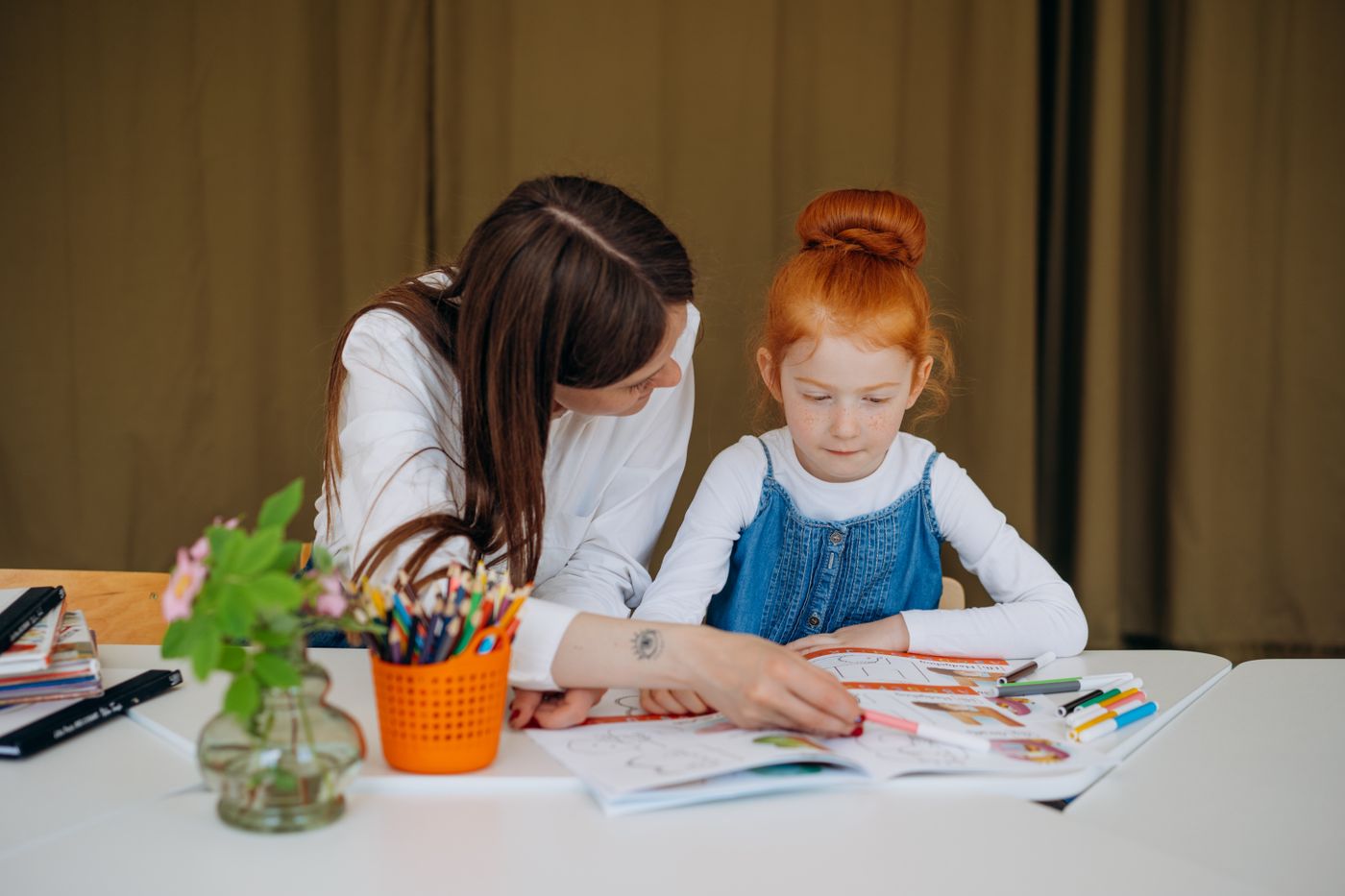
Photo: Annushka Ahuja
If you’ve been wondering whether your child needs a tutor, you’re already paying attention, and that is the part that matters most. It’s still a hard call. You don’t want to overreact to one rough report, and you don’t want to let a small problem set hard either. After 30 years of doing this, our honest answer is that plenty of children never need a tutor, and the ones who do usually need it for how they feel about a subject, not the mark on the page.
How do I know if my child needs a tutor?
Marks lag behind. By the time a report card lands, the wobble usually started a term or two earlier, often as a quiet loss of confidence. So the signs worth watching are about behaviour, well before they show up in a test score.
Signs worth watching for
- Avoidance. Homework battles, "I’ll do it later", or "forgetting" one particular subject for weeks.
- Self-talk that’s slipped. "I’m just bad at maths", "I’m dumb", "everyone else gets it".
- Effort with no traction. They’re trying hard and the marks still won’t budge, which wears them down.
- A widening gap. Something early in the year never clicked, and everything since has been built on that shaky ground.
- Coasting, not stretching. A bright child who’s bored and has stopped being challenged.
Is it normal for my child to struggle, or is something wrong?
A child who finds long division hard in Year 4 isn’t behind for life. A child who decides at nine that they’re "not a maths person" can carry that label for years. Good support doesn’t remove the struggle, because working at the edge of what you can do is how learning happens. What it does is stop the struggle turning into a story your child believes about themselves.
Not sure where your child sits? A free 30-minute assessment will tell you, with no pressure and no obligation.
Book a free assessmentWhat can a tutor do that I can’t do at home?
- Find the real gap. Often a Year 6 "fractions problem" is really an unfinished Year 4 idea. A good educator traces it back and fixes the root, not the symptom.
- Teach it their way. A good educator has five ways to explain the same idea, and the patience to find the one that lands for your child.
- Take the heat out of it. Homework with a parent carries history. With an educator it’s just the work, and that bit of distance is often what lets a child relax and learn.
- Make confidence the point. When a child starts getting things right again, belief returns, and that is what moves the results.
When is the right time to get help?
You don’t need to wait for a crisis or a bad report. A short check now beats a rebuild later. Good moments to act: the start of a school year, the run-up to a big transition like Year 6 into 7, or the week you first hear "I hate maths". If you’re aiming at selective or scholarship entry, starting early gives your child the most runway. Our Selective and Scholarship guide goes deeper there.
Will a tutor make my child feel like they’re "behind"?
This is why we talk about educators, not just tutors, and why we keep a low student-to-educator ratio, usually around one to five, so no child gets lost. Every child gets personal attention on their own plan, even in a busy centre. We’re not flagging your child as a problem to fix. We’re giving them the quiet, steady experience of getting it, and that is what rebuilds the confidence, concentration and ability that carry into every subject.
How we think about it at Lynn’s Learning
We’ve worked with local families across Melbourne’s south-east for over 30 years, and our position is straightforward. Almost any child grows with the right support, so the question is rarely whether your child is "behind enough" to deserve help. The real question is whether Lynn’s Learning is the right fit. That’s why we start with a free assessment, about half an hour per subject, before anyone commits to anything. It shows you where your child is, what the real gaps are, and what we would work on together.
We’ll also tell you straight when we’re not the answer. If your child is already stretched thin across too many activities, they need less on their plate, not another commitment, and we’ll say so. And if our structured, centre-based approach won’t suit how your child learns, we’ll tell you that too. The wrong fit helps nobody, and we’d rather you trust us with the next child than enrol the wrong one today.
Wondering if Lynn’s Learning is right for your child? Book a free, no-obligation assessment.
Book a free assessmentFrequently asked questions
How much does tutoring cost at Lynn’s Learning?
Our core Maths and English tuition is $40 per subject per week, all-inclusive: materials, marking and personalised teaching. The initial assessment is free, and there’s no long lock-in contract. Full details are on our pricing page.
What year levels and subjects do you tutor?
We support children from Foundation to Year 10 in Maths and English, plus dedicated Selective Entry and Scholarship preparation. Every program is matched to your child’s level, not their age.
Is the assessment really free?
Yes, completely free, around 30 minutes per subject, with no cost and no obligation to enrol. You’ll come away with a clear picture of where your child is doing well and where the gaps are.
How quickly will we see a difference?
Confidence usually shifts first. Many parents notice a calmer, more willing attitude to a subject within a few weeks. Measurable academic gains build over a term or more, as foundations are filled in and consolidated.
More for parents
What actually happens in a free Lynn’s Learning assessment
Booking a free assessment but not sure what you’re walking into? Here’s exactly what happens on the day, start to finish.

Why your child says "I’m bad at maths" (and how to change it)
"I’m just bad at maths" is a story your child has started telling themselves. It’s almost never true, and here’s how to change it.

Raising a confident reader, from Foundation to Year 10
Reading sits under every other subject, including maths. Here’s how reading confidence develops, and how to help your child at any stage.