
Why reading matters more than any other school skill
Reading is the skill under every other subject, even Maths word problems. Here’s how reading struggles quietly compound, and why it’s never too late to turn them around.
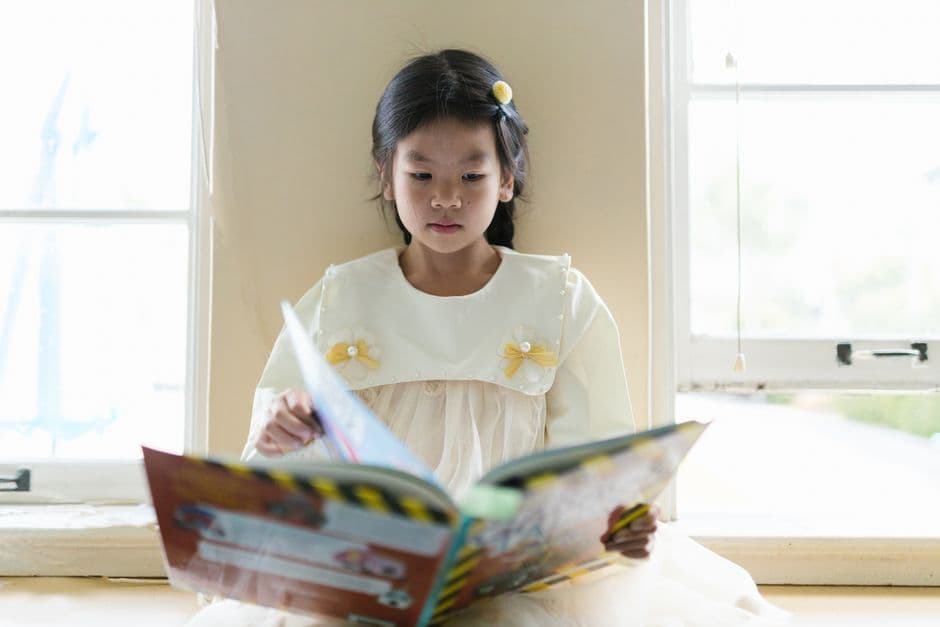
Photo: RDNE Stock project
We tend to think of reading as one subject on the timetable, something that lives in English lessons and library visits. In practice it’s the skill sitting underneath almost everything else your child does at school. A Maths word problem has to be read before it can be solved. A Science experiment starts with written instructions. History, Geography, even the questions on a test: all of it arrives as words on a page first. When reading is strong, your child spends their energy on the actual thinking. When reading is a struggle, that energy gets used up before the real work even begins.
This isn’t meant to worry you. If your child finds reading hard right now, that is a common, workable situation, and one we see turn around all the time. The point of this piece is simply to show why reading deserves attention early, how a wobble in one place can quietly spread, and what you can do about it at any age. If you’re after practical, step-by-step ways to build a reluctant reader’s confidence, our guide to raising a confident reader walks through the day-to-day routine. This piece is the bigger picture: why it all matters so much.
Why does reading affect every other subject?
Picture two children looking at the same Maths word problem. The first reads it smoothly, pictures what’s being asked, and gets straight to the sum. The second is still sounding out words halfway through the sentence, and by the time they reach the end they’ve lost the thread of what the question wanted. Both children might have exactly the same Maths ability. The difference in their answers comes down to reading, not number sense. This is why a reading gap so often shows up as a "Maths problem" or a "Science problem" that has nothing to do with those subjects at all.
What’s the difference between decoding and comprehension?
It’s worth separating these two, because they need different kinds of help. A child who reads a paragraph aloud perfectly but can’t tell you what it was about has strong decoding and weaker comprehension. A child who understands stories read to them but stumbles over the words on the page has the opposite. Many reading struggles get labelled the same way from the outside, when underneath they’re quite different problems with quite different answers.
- Decoding is the mechanics: matching letters and sounds, blending them into words, reading them smoothly enough that it doesn’t feel like hard work.
- Comprehension is the meaning: following what’s happening, holding a thread across sentences, working out what a word must mean from the words around it.
- Fluency is the bridge between the two. When decoding becomes automatic, the mind is freed up to focus on understanding.
This is exactly why a proper look at where a child sits matters so much. "They’re behind in reading" isn’t specific enough to act on. Knowing whether the gap is in decoding, comprehension, or the fluency that links them tells you what to actually work on.
Not sure where your child’s reading really sits? A free 30-minute assessment per subject will show you, with no cost and no obligation.
Book a free assessmentHow do reading struggles quietly compound over time?
The tricky part is how quiet this process is. There’s rarely a single dramatic moment. Instead a child who finds reading tiring starts to avoid it, chooses shorter books, skims rather than reads, and does the bare minimum for homework. None of that looks like a crisis on any given day. But over a year or two, the child who reads for pleasure has met thousands more words, ideas and sentence patterns than the child who avoids it. The gap you eventually notice on a report card usually opened up long before, one skipped chapter at a time.
And it rarely stays in the reading corner. As the words on the page get harder across every subject in the upper primary and early secondary years, a child who is already stretched by reading starts to find Science, Humanities and worded Maths harder too, not because those subjects are beyond them, but because the reading load has climbed. This is the ripple effect, and it’s the real reason reading deserves attention before it becomes a bigger, more tangled problem.
What does a reading struggle do to a child’s confidence?
Of all the effects, this is the one we care about most, because it’s the one that lingers. A child rarely says "my decoding is weak". They say "I hate reading", or they go quiet during reading time, or they act up to avoid being asked to read aloud. Underneath, many of them have decided something painful about themselves. The good news is that this works in reverse too. When a child starts to experience reading as manageable, even enjoyable, that belief turns around, and the confidence flows back into the classroom with it. We wrote more about how this label takes hold, and how it comes undone, in our piece on the "I’m bad at Maths" belief, which follows exactly the same pattern.

Is it ever too late for my child to catch up?
It’s easy to assume that if a child reached Year 7 or 8 still finding reading hard, the window has closed. It hasn’t. What changes with age is the approach, not the possibility. An older child needs support that respects where they are, doesn’t feel babyish, and rebuilds the specific piece that’s missing, whether that’s decoding, comprehension or simply the confidence to try. Plenty of the biggest turnarounds we see are with children who’d already decided reading wasn’t for them, and then discovered it could be.
What can parents actually do to help?
You don’t need a program or a schedule to make a real difference at home. A few small habits, kept up warmly and without pressure, matter more than any single big effort:
- Read together, past the age you’d expect to stop. Reading to an older child, and being read to, both build vocabulary and a love of story without the pressure of a test.
- Keep books within reach and let them choose. Comics, non-fiction, series, whatever holds them. A reluctant reader who’s found the right book has already turned a corner.
- Talk about what you read. Ask what they think will happen next, or why a character did that. This is comprehension practice that doesn’t feel like practice.
- Model it. Let them catch you reading for pleasure. Children copy what they see valued at home.
- Keep it warm, never a chore. Pressure and reading are a bad mix. The goal is a child who reaches for a book, not one who dreads it.
- Get a clear picture of any gaps. If reading feels like a struggle, an honest look at whether it’s decoding, comprehension or confidence turns a vague worry into a plan.
For a fuller, step-by-step version of this, including a simple reading routine you can start this week, our guide to raising a confident reader picks up exactly where this leaves off.
How Lynn’s Learning helps with reading
We’ve supported families across Melbourne’s south-east for over 30 years, and reading is where a great deal of our work quietly starts, even for children who came to us for Maths. Our English program is built to strengthen both sides of reading, the decoding mechanics and the comprehension that gives them meaning, at whatever level your child is genuinely at rather than the level their year suggests. Because we keep a low student-to-educator ratio, every child gets personalised attention on their own plan, and our educators have the patience and the range of approaches to find the one that finally clicks.
Most importantly, we treat confidence as part of the work, not a nice side effect. A child who starts to feel capable with words carries that feeling into every subject on the timetable. That’s the ripple running the right way.
Wondering if Lynn’s Learning is right for your child? Book a free, no-obligation assessment.
Book a free assessmentFrequently asked questions
My child reads fine but hates it. Is that still a problem?
It’s worth paying attention to. A child who can read but avoids it tends to read less, which slows their growth over time. Often the cause is a comprehension gap that makes reading feel like hard work, or simply not having found the right book yet. It’s very fixable.
Should I keep reading to my child once they can read themselves?
Yes. Reading to an older child exposes them to richer vocabulary and longer, more complex stories than they can yet tackle alone. It builds comprehension and a love of story without pressure, and it’s one of the most valuable things you can do at home.
My child reads aloud well but can’t answer questions about it. Why?
That’s a sign of strong decoding but weaker comprehension. Your child is turning letters into words smoothly, but the meaning isn’t sticking as they go. It’s common and very workable, and it needs a different kind of help than a decoding difficulty would.
Does reading really affect my child’s Maths?
Yes, especially with word problems, which make up a growing share of Maths as children move up the years. A child has to read and understand the question before they can solve it. Sometimes a "Maths problem" is really a reading one in disguise.
What year levels and subjects does Lynn’s Learning cover?
We support children from Foundation to Year 10 in Maths and English, plus dedicated Selective Entry and Scholarship preparation. Every program is matched to your child’s actual level, not just their age.
More for parents
Raising a confident reader, from Foundation to Year 10
Reading sits under every other subject, including maths. Here’s how reading confidence develops, and how to help your child at any stage.

Why your child says "I’m bad at maths" (and how to change it)
"I’m just bad at maths" is a story your child has started telling themselves. It’s almost never true, and here’s how to change it.

Does my child need a tutor? An honest guide for Melbourne parents
Not every child needs one. The real signal is how your child feels about a subject, not just the grade, and there are clear signs to watch for.