
Why one curriculum can’t fit every child (and what to do about it)
The Victorian Curriculum sets one pace for a whole class, but children arrive at very different points. Teaching to a child’s real ability, not just their year level, is how both strugglers and confident learners keep moving.
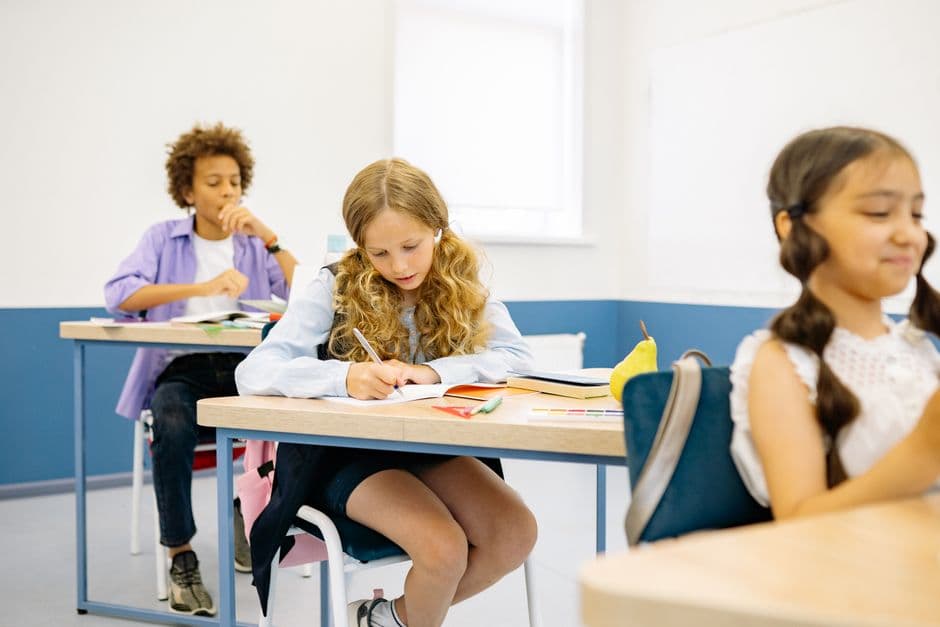
Photo: Yan Krukau
Every child in a Year 4 classroom is, on paper, a Year 4 student. But sit with them for an hour and the truth is plainer: one has raced ahead and is quietly bored, another is still shaky on ideas from Year 2, and most sit somewhere in the middle. They share a year level, a room and a teacher. What they don’t share is a starting point. And the curriculum, through no fault of anyone in the room, is written for a single pace.
If your child has ever come home saying "the teacher goes too fast" or "we did that ages ago, it’s boring", you’ve met this problem first-hand. It isn’t a sign of a bad school or a poor teacher. It’s the arithmetic of a class of twenty-five and one timetable. Here’s why one curriculum can’t fit every child, and what actually helps.
Why doesn’t the school curriculum suit every child?
The Victorian Curriculum is a genuinely good thing. It sets clear expectations for what children should learn each year, so a family moving from one school to another knows their child won’t fall through a gap. Teachers work hard to cover it, and most cover it well. The issue was never the content. It’s that the content is delivered to a whole group at one speed, and children don’t come in one speed.
A single class has to keep moving to finish the year. A teacher with twenty-five children, a fixed timetable, camps, sports days, assemblies and reports simply cannot pause the whole class for a fortnight while three children consolidate fractions, then sprint to catch the five who finished the topic a week ago. So the class travels at a sensible average pace. That pace fits the children in the middle reasonably well. It’s the children at the edges who feel the strain.
What happens to a child who needs more time?
Maths is the clearest example, because it’s so cumulative. A child who never quite locked in place value will struggle with column addition, then with long multiplication, then with decimals, then with anything that leans on those. From the outside it looks like a new problem each year. Underneath, it’s the same unfinished idea, quietly undermining everything stacked on top of it.
The hardest part isn’t the missed content. Content can always be taught. The hard part is what the child concludes about themselves. Fall a little behind the class pace, watch everyone else seem to "get it", and it’s a short step to "I’m not a maths person". That label sticks for years, and it does far more damage than any single missed topic. A child who believes they can’t do something stops trying, and a child who stops trying can’t improve, which confirms the belief. Breaking that loop is often the real work.
And what about a child who’s ahead?
It’s easy to assume the child who’s ahead is fine. They’re getting good marks, they’re not complaining loudly, so they can look after themselves. But a bright child who is never challenged isn’t being served either. They stop being stretched, they stop building the habit of effort, and they can arrive at a genuinely hard topic, often in the later years, with no experience of struggling and pushing through. The first time school feels difficult can be a shock for a child who has only ever found it easy.
Keeping a capable child moving isn’t about pushing them years ahead for its own sake. It’s about keeping them interested, keeping their thinking active, and giving them work that’s just beyond comfortable, which is exactly where learning happens. Left to coast, even a very able child can lose the spark. That’s a waste, and it’s avoidable.
Not sure where your child actually sits, ahead, behind, or somewhere in between? A free 30-minute assessment per subject will show you, with no cost and no obligation.
Book a free assessmentSo what actually works better?
This is the core of how we teach at Lynn’s Learning, and it isn’t a criticism of classrooms. It’s simply the thing a classroom, by its nature, can’t do for every child at once. When you start from where a child actually is rather than where the year level says they should be, a few things change:
- You fix the real gap, not the symptom. A Year 6 "fractions problem" is often an unfinished Year 4 idea. Trace it back, rebuild the foundation, and the topic above it stops wobbling.
- Pace becomes personal. A child rebuilding foundations gets the time they need without the whole class waiting. A confident child keeps moving without being held to a slower pace.
- Work sits at the right edge. Open-ended tasks let one activity stretch a strong child and support a struggling one, so nobody is bored and nobody is drowning.
- Success comes early and often. A child who is working at their own level gets things right, and getting things right is what rebuilds the belief that they can.
Doesn’t this just mean my child falls further out of step with their class?
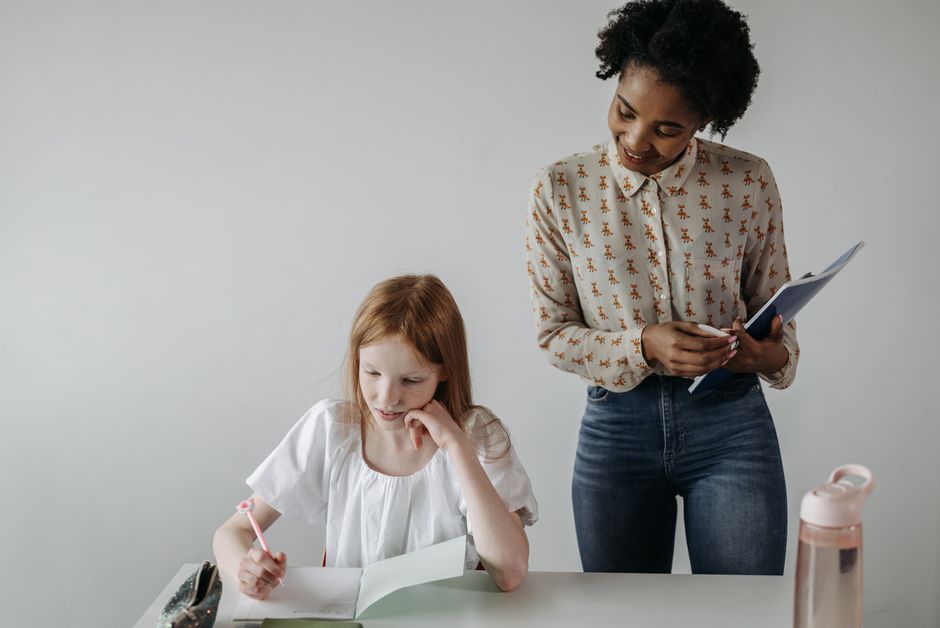
Personalised support and the classroom aren’t rivals. They work best together. School provides the shared curriculum, the social learning and the structure. Personalised teaching fills the specific gaps that a single pace inevitably leaves, or provides the extra reach a fast learner needs. A child who understands the foundations walks back into their classroom able to keep up with the lesson and take part, rather than sitting quietly lost or quietly bored.
How we think about it at Lynn’s Learning
We’ve worked with families across Melbourne’s south-east for over 30 years, and the pattern is remarkably consistent. Children rarely struggle because they can’t learn. They struggle because the pace never quite matched them, in one direction or the other. Match the teaching to the child and most of the "problem" dissolves.
That’s why every child at Lynn’s works on their own plan, at their own level, and why we keep a low student-to-educator ratio, usually around one to five, so no child is lost in the group. Our worksheets are built to be open-ended, so the same page can meet a child who needs to consolidate and a child who’s ready to run. We’re not trying to replace school. We’re trying to make sure the year level your child is in becomes a year level they can actually stand on.
Wondering if Lynn’s Learning is right for your child? Book a free, no-obligation assessment.
Book a free assessmentFrequently asked questions
Is Lynn’s Learning saying the school curriculum is wrong?
Not at all. The Victorian Curriculum is a solid framework and teachers do difficult work well. The limitation is class size and a single pace, not the content or the teacher. Personalised teaching simply fills the gaps a whole-class pace inevitably leaves.
Do you follow the Victorian Curriculum or something separate?
Our programme is built around the Victorian Curriculum for Foundation to Year 10, so what your child learns with us supports their schoolwork. The difference is the pace and the pitch, matched to your child rather than the class average.
My child is doing well at school. Is there any point?
Often yes. A capable child who is never stretched can coast, lose the habit of effort, and stall when work finally gets hard. Ability-based teaching keeps a strong learner challenged and interested rather than waiting for the class to catch up.
How do you work out my child’s real level?
We start with a free assessment, about 30 minutes per subject, in-centre. It shows exactly where your child is confident and where the gaps sit, so their plan starts from reality rather than an assumption about their year level.
What year levels and subjects does this apply to?
We support children from Foundation to Year 10 in Maths and English, plus Selective Entry and Scholarship preparation. Every child is taught at their own level, whatever their age or school year.
More for parents

Why your child says "I’m bad at maths" (and how to change it)
"I’m just bad at maths" is a story your child has started telling themselves. It’s almost never true, and here’s how to change it.

Does my child need a tutor? An honest guide for Melbourne parents
Not every child needs one. The real signal is how your child feels about a subject, not just the grade, and there are clear signs to watch for.
What actually happens in a free Lynn’s Learning assessment
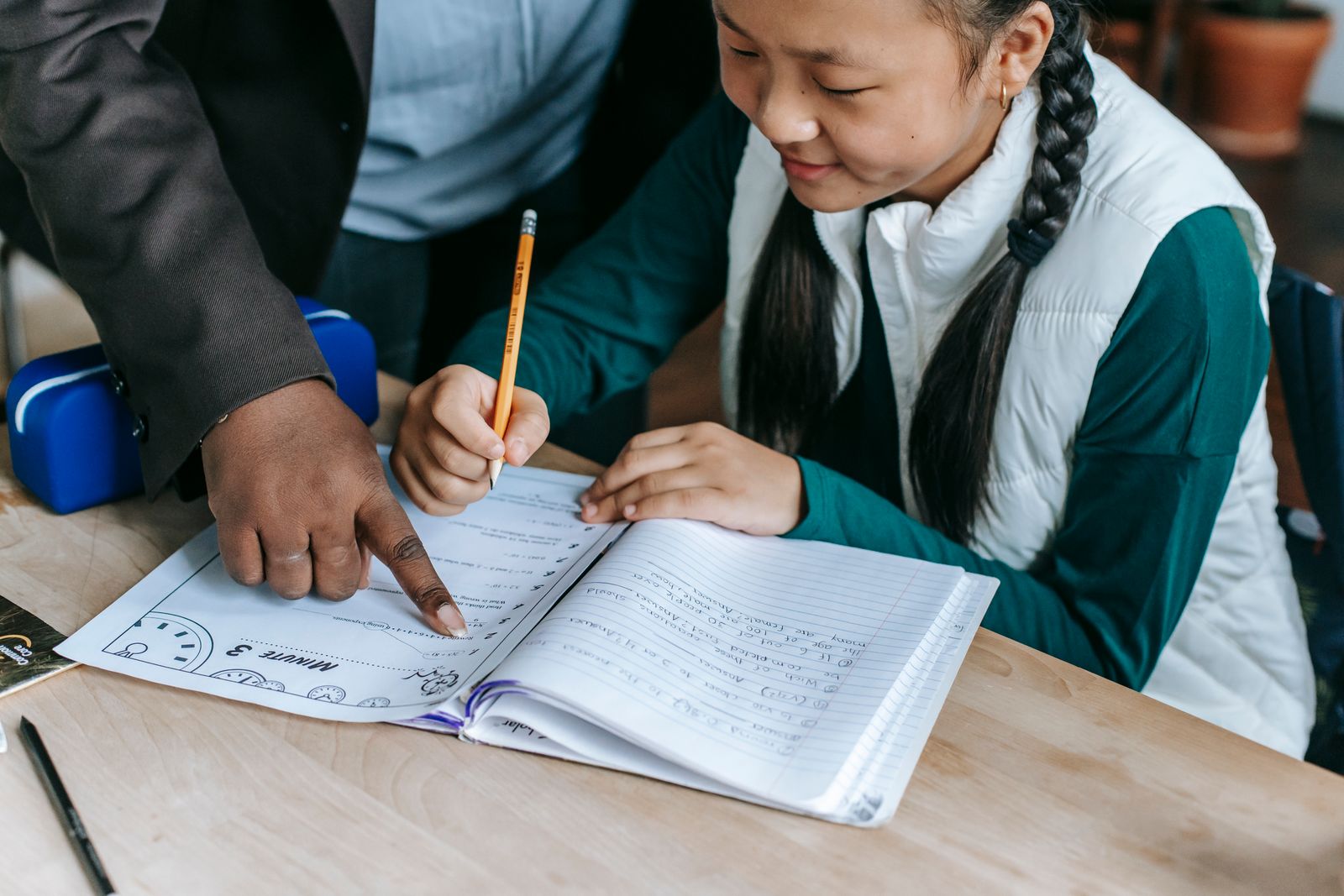
Booking a free assessment but not sure what you’re walking into? Here’s exactly what happens on the day, start to finish.