
How to motivate your child to do homework (without the nightly battle)
The nightly homework fight is rarely about laziness. It’s usually about routine, confidence, or a gap that’s grown quietly. Here’s how to change the pattern.
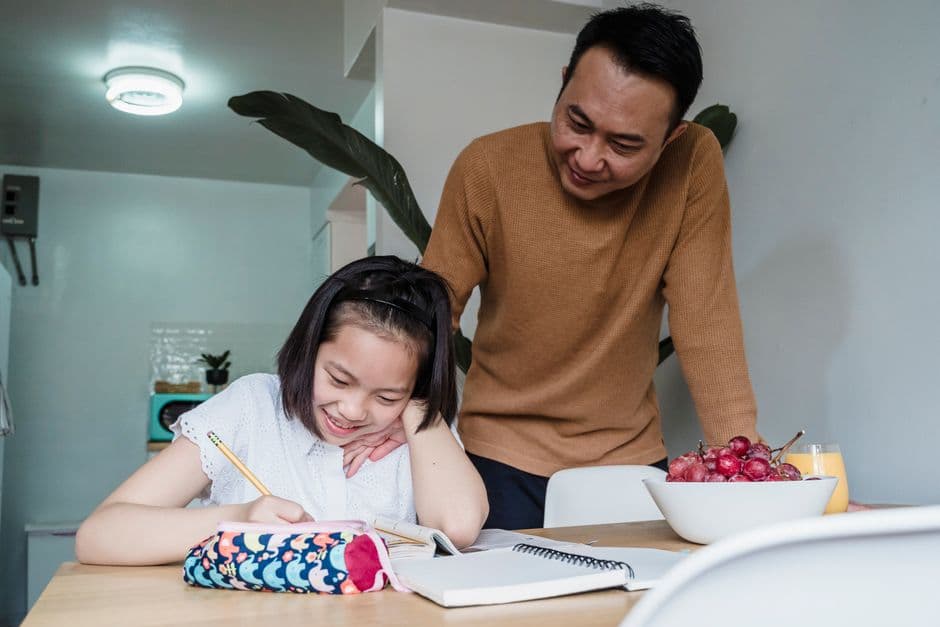
Photo: Annushka Ahuja
If homework has become the worst part of your evening, you are not doing anything wrong, and neither is your child. The nightly stand-off, the stalling, the sudden headaches at seven o’clock, the tears over a page that should take ten minutes: almost every parent knows it. The good news is that motivation is rarely about willpower. It is about routine, a manageable amount of work, a little control handed back to your child, and knowing the difference between ordinary reluctance and a real gap that needs filling. Change those, and the battle usually settles down.
Why won’t my child do their homework?
It helps to remember that after a full school day, your child’s self-control is already run down. Homework asks for focus at exactly the time they have least of it left. So resistance is not defiance so much as a tired child meeting a task with no clear shape. Before you reach for rewards or consequences, it is worth looking at the pattern: when homework happens, where it happens, how big it feels, and whether your child secretly finds the work too hard. Fix the pattern first, and motivation tends to follow.
How do I set up a homework routine that actually sticks?
Predictability does the heavy lifting. When homework happens at the same time each day, it stops being a decision your child can argue with and becomes just part of how the afternoon goes, like brushing teeth. A few things make a routine stick:
- Same time, same place. Whether it’s straight after a snack or after some outdoor time, keep it consistent. Some children need to unwind first, others do better before they fully switch off. Watch which suits yours.
- Involve your child in the plan. A child who helped choose the 4:30 slot is far more likely to keep it than one who had it imposed. Handing over that small piece of control is one of the strongest motivators there is.
- Work around real life. Build the routine around training nights, music lessons and downtime, not on top of them. A plan that ignores Wednesday footy will break by Wednesday.
- Protect the slot. Once it’s set, treat homework time as fixed. The less it moves, the less there is to argue about.
How do I get my child to start when the work feels too big?
Children rarely resist the work itself. They resist the size of it. A page of twenty questions reads as a wall, and the natural response to a wall is to avoid it. So make the first step tiny. "Let’s just do the first two" gets a pen moving, and momentum does the rest. Once a child is underway, finishing feels far easier than starting did.
- Name the first small step out loud. Not "do your Maths" but "let’s do question one together." Specific and small beats large and vague every time.
- Use short bursts. For younger children especially, a focused ten or fifteen minutes with a short break beats a long slog that ends in tears. Concentration is a muscle that builds with age.
- Let a win land before the break. Finishing on a question they got right leaves your child feeling capable, which makes the next session easier to start.
Should I reward my child for doing homework?
There is a real difference between praising effort and praising marks. "You’re so smart" ties your child’s sense of worth to getting things right, which makes mistakes feel threatening. "You really worked at that" ties it to persistence, which is the thing that actually carries them through hard work. When you notice the effort, the concentration and the not-giving-up, you reward the behaviours you want more of.
The same goes for autonomy. A child who chooses which subject to start with, or ticks off their own list, feels ownership rather than obligation. Those small wins, felt as their own, do more for lasting motivation than any sticker chart. Save the celebrations for effort and independence, not just the tick.
If homework has become a nightly battle, a free 30-minute assessment can show you whether a hidden gap is driving the resistance. No cost, no obligation.
Book a free assessmentHow do I remove distractions without a fight?
A good workspace is quiet, well lit, and stocked with what your child needs so there’s no hunting for a sharpener mid-question. Screens are the big one. During homework time, keep the television off, and that means for the whole household, not just the child at the table. It is hard for a nine-year-old to focus on fractions while a show plays across the room. If you can, use the slot for your own quiet task nearby, answering emails or reading. A parent who settles into something focused sends a stronger signal than any instruction.
What if my child fights homework every single night?
There’s a difference between a child who grumbles and then gets on with it, and a child who melts down over the same subject week after week. The second pattern is worth taking seriously. When something early in the year never quite clicked, everything built on top of it feels shaky, and homework becomes a nightly reminder of not understanding. No child wants to sit in that feeling, so they avoid it. From the outside it looks like laziness. Underneath, it is often a capable child who has decided they are "just bad at" this, and is protecting themselves the only way they know how.
This is the moment where more pressure makes things worse and the right help turns them around fast. If you’re seeing the avoidance-and-meltdown pattern on one subject, it’s usually a specific gap rather than a whole-child problem, and specific gaps are very fixable. Our guide on whether your child needs a tutor walks through the signs in more detail, and the piece on the "I’m bad at Maths" story covers how that label takes hold and how to unpick it.
What’s the parent’s real job in all this?
When your child hits a wall, the instinct is to jump in and explain. Try resisting it. A question often does more than an answer: "What do you think the first step is?", "Where did you get stuck?", "What did your teacher say about ones like this?" That keeps the thinking with your child and builds the independence that homework is really there to teach. It also keeps you out of the role of second teacher, which is where a lot of dinner-table fights start.
Just as important is your own calm. Children read our stress, and an anxious or frustrated parent makes homework feel higher-stakes than it is. If a session is falling apart, it is completely fine to stop, take a break, and come back later. A short, calm session beats a long, tearful one every time. You are aiming for a steady rhythm, not a perfect page.
How Lynn’s Learning can help
Sometimes the routine and the calm are in place and the resistance still won’t shift. That’s usually the sign of a real gap, and it’s exactly where a bit of outside help earns its keep. We’ve worked with families across Melbourne’s south-east for over 30 years, and much of what we do is take the emotional charge out of the work. With one of our educators, there’s no shared history, no dinner-table tension, just steady, personalised support that meets your child where they actually are and rebuilds confidence one small win at a time.
Because our teaching is personalised and our student-to-educator ratio stays low, we find the specific gap driving the avoidance and fill it, rather than piling on more of the work that isn’t landing. When a child starts getting things right again, homework stops being a threat, and the nightly battle at home tends to fade on its own.
Wondering if Lynn’s Learning is right for your child? Book a free, no-obligation assessment.
Book a free assessmentFrequently asked questions
At what age should my child do homework independently?
Independence grows gradually. Younger primary children usually need you nearby for structure and encouragement, while upper-primary and older children can manage more alone. The aim is to hand over responsibility bit by bit, so you’re a steady presence rather than a co-worker on every question.
How long should homework take at primary school?
It varies by school and year level, so the most reliable guide is your child’s teacher. As a general principle, homework should be short enough to finish with focus rather than a long slog. If it routinely takes far longer than expected, mention it to the teacher.
Should I sit with my child while they do homework?
For many children, especially younger ones, a calm presence nearby helps them settle and stay on task. That’s different from doing it with them. Aim to be available for a good question when they’re stuck, while leaving the thinking, and the work, to them.
What if my child rushes through homework carelessly just to be done?
Rushing is often a sign the work feels like a hurdle to clear rather than something worth doing well. Praising careful effort over speed helps, as does keeping sessions short so finishing quickly isn’t the only relief on offer. If it persists, it can signal the work is too easy or too hard.
Is it okay to let my child skip homework sometimes?
An occasional night off, by agreement, won’t undo good habits and can ease pressure on a hard day. The thing to protect is the overall routine. If skipping becomes the norm around one subject in particular, treat that as a signal worth looking into rather than a discipline issue.
More for parents
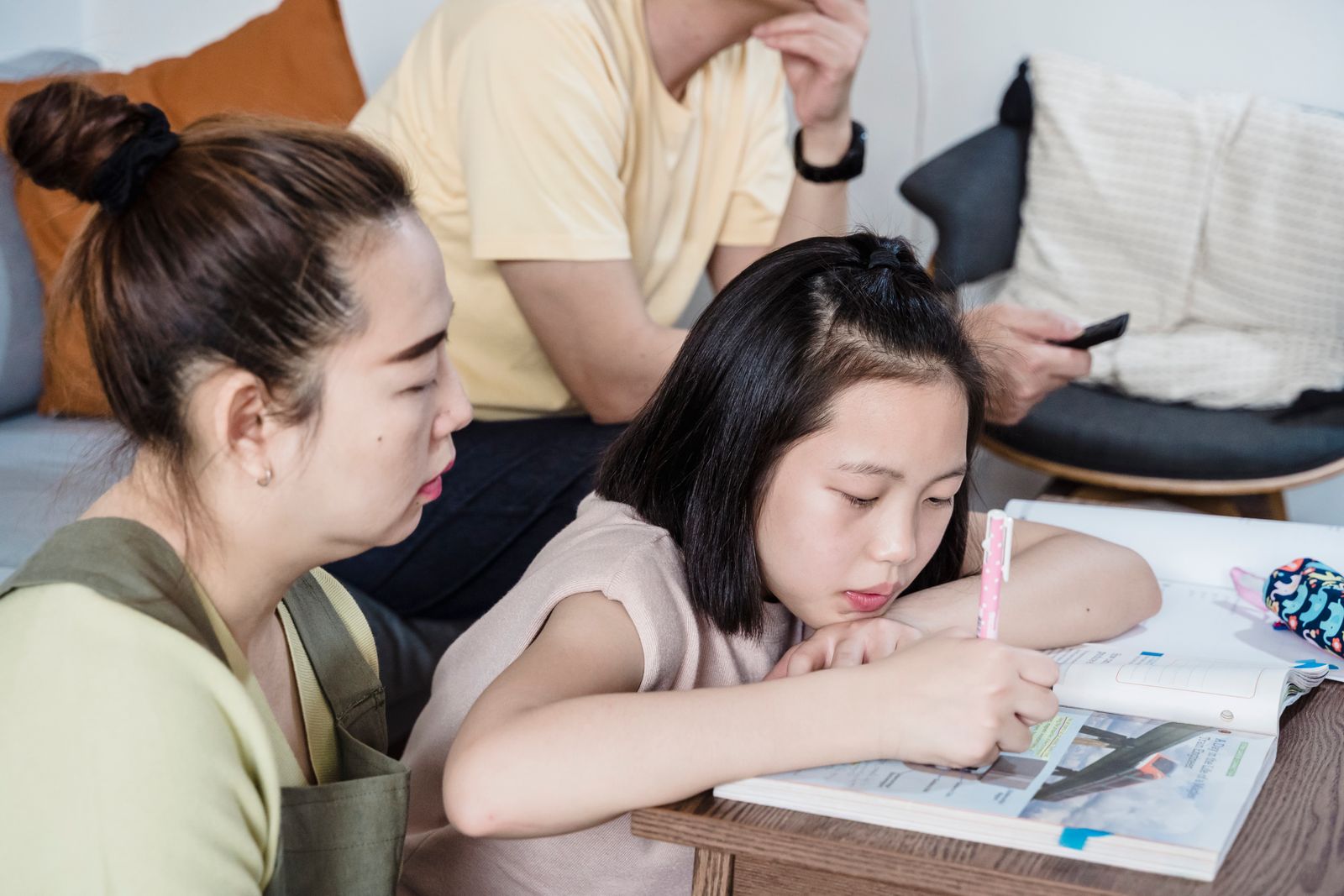
Does my child need a tutor? An honest guide for Melbourne parents
Not every child needs one. The real signal is how your child feels about a subject, not just the grade, and there are clear signs to watch for.
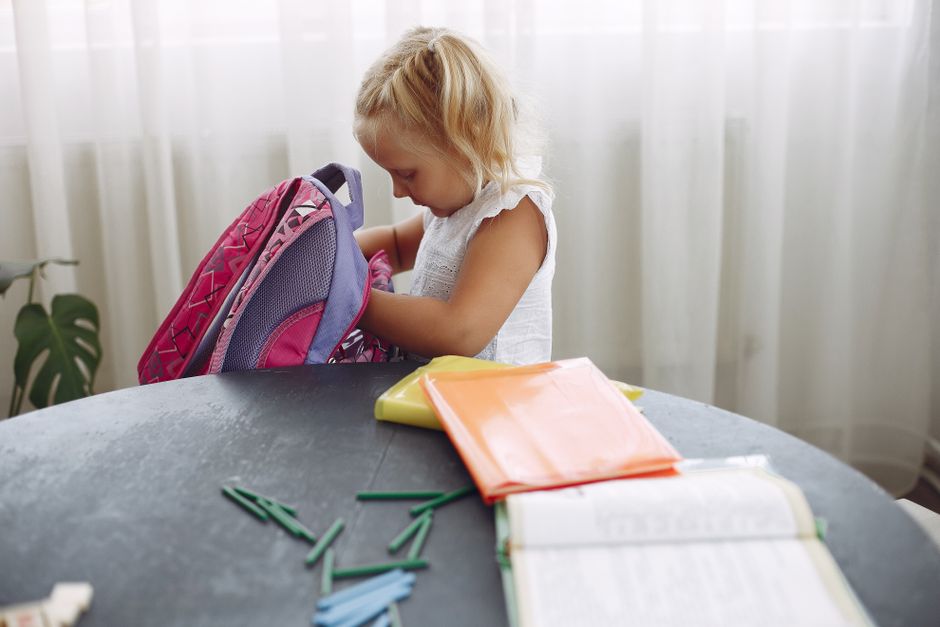
How to help your child start the school year strong
A strong start is less about a big push and more about a few calm habits set early: sleep, a tidy space, realistic goals your child owns, and gaps filled before they compound.

Why your child says "I’m bad at maths" (and how to change it)
"I’m just bad at maths" is a story your child has started telling themselves. It’s almost never true, and here’s how to change it.