
Preparing your child for high school: a Year 6 to Year 7 guide
The jump from Year 6 to Year 7 is bigger than a new uniform. Here is how to steady the academic step-up, the organisation and the nerves, without doing it all for them.
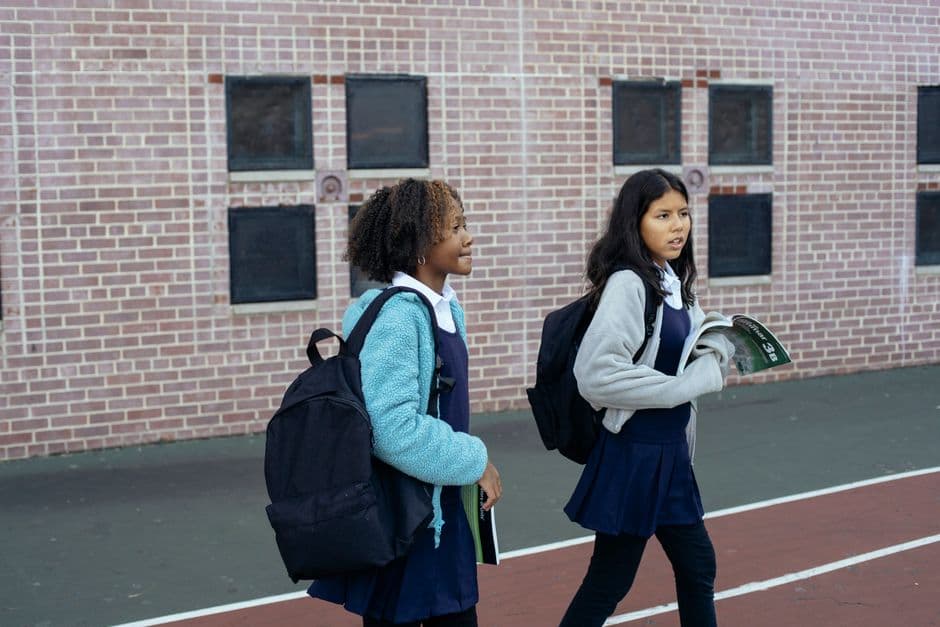
Photo: Mary Taylor
In Victoria, Year 7 is the start of secondary school, and it can feel like a big leap for the whole family. One year your child has a single classroom and one teacher who knows them well. The next, they have a locker, a timetable, seven or eight subjects and a different teacher for each one. Add a bigger campus, an older crowd and a longer commute, and it’s no wonder the last term of Year 6 comes with a few nerves. The good news is that most children settle far quicker than their parents expect, especially when a little groundwork is done in advance.
After more than 30 years working with families across Melbourne’s south-east, we’ve watched a lot of children make this jump. The ones who land well usually aren’t the cleverest or the most confident. They’re the ones who arrive with steady foundations, a few practical habits and a calm parent in their corner. Here is how to be that parent.
What is the biggest change from Year 6 to Year 7?
In primary school, the structure sits mostly with the teacher. In secondary school, a lot of it quietly shifts onto your child. They need to be in the right room with the right books, remember which day sport is on, hand work in to the correct teacher and notice when something is due next week rather than tonight. None of this is hard on its own. The challenge is doing all of it at once, in a new place, while also trying to make friends. If you spend Year 6 helping your child build these habits, you take the heaviest load off the transition before it even starts.
How can I help my child get organised for secondary school?
Organisation is a skill, not a personality trait, and it’s learned by doing. A few habits worth building through the year:
- A single planner they actually use. Whether it’s a paper diary or the school app, help them get in the habit of writing down homework and due dates, then checking it each afternoon.
- A pack-the-bag routine. Each night, they lay out uniform and pack their bag against tomorrow’s timetable. Do it with them a few times, then step back.
- A home for everything. A set spot for the bag, the drink bottle, the diary and the sport gear. Half of "I forgot it" is really "I couldn’t find it".
- Reading the timetable. Once they have it, walk through a typical day together so the structure feels familiar rather than baffling.
- Breaking big tasks down. A project due in two weeks isn’t a two-week problem, it’s a series of small steps. Show them how to plan backwards from the due date.
It’s tempting to keep doing these things for them because it’s faster and tidier. Resist it where you can. A child who learns to run their own morning in the safety of home is a child who won’t be sunk by a forgotten textbook in Week 3 of Year 7.
Should my child get their Maths and English up to speed before Year 7?
This is the part parents most often underestimate. Year 7 doesn’t pause to reteach Year 6. It builds straight on top of it. If fractions never quite clicked, or reading longer texts is still a struggle, those gaps don’t stay quiet, they widen under the faster pace. The child ends up spending energy patching old holes instead of learning the new material, and confidence takes the hit.
The fix is not to cram over summer. It’s to make sure the foundations are genuinely solid before the leap. In Maths, that means confidence with number, fractions, decimals, percentages and the early ideas of algebra. In English, it means reading longer pieces and understanding them, spelling and punctuation that don’t get in the way, and being able to plan and write a clear paragraph. Get those steady, and Year 7 feels like a step, not a cliff.
Not sure whether your child’s Maths and English foundations are ready for Year 7? A free 30-minute assessment per subject, in-centre with no cost or obligation, will show you exactly where they stand.
Book a free assessmentHow do I support the social and emotional side of the move?
For a lot of children, the real question isn’t "can I do the work", it’s "will I have anyone to sit with at lunch". That’s a genuine worry, and brushing it off with "you’ll be fine" rarely helps. A few things that do:
- Go to orientation. Most Victorian secondary schools run an orientation day or transition sessions. Seeing the campus, meeting a teacher and finding the toilets and the canteen turns a scary unknown into a known place.
- Find a familiar face. If a friend, a neighbour or someone from primary school is going too, that shared face on day one is a comfort. If not, reassure them that friendships form fast when everyone is starting fresh.
- Practise the commute. Do the trip together before term starts, whether it’s a walk, a bus or a train, until they can do it confidently on their own.
- Agree a simple plan for problems. Make sure they know who to go to at school and how to reach you if something goes wrong. Knowing there’s a plan settles a lot of low-level anxiety.
- Keep the tone hopeful. Talk about the good parts too: new subjects, sport, electives, a fresh start. Children take their emotional cues from us.
How do I support without doing it all for them?
The hardest part of this transition is often for the parent, not the child. It’s genuinely hard to watch your child fumble something you could fix in a second. But the whole point of Year 7 is growing independence, and independence is built through small, safe failures. Your job shifts from doing to coaching: asking "have you checked your planner?" instead of packing the bag yourself, and letting a forgotten library book be a lesson rather than an emergency.
That doesn’t mean stepping away entirely. Stay in the loop. Because the secondary curriculum moves faster, quiet struggles can build for a while before a report card catches them. Keep talking about how each subject is going, and act early if you notice avoidance or a dip in confidence rather than waiting for the marks to slip. Catching a small gap in Term 1 is quick. Rescuing a child who has decided they’re "bad at" a subject takes far longer.
How we think about the Year 7 jump at Lynn’s Learning
Our view is simple: the children who thrive in Year 7 are the ones who arrive with confidence, and confidence comes from feeling capable. That’s why we focus on getting Maths and English foundations genuinely solid in the primary years, so your child walks in with spare capacity for everything else the transition throws at them. We work with children from Foundation to Year 10, and the run-up to secondary school is one of the best times to shore things up.
We start with a free assessment, about half an hour per subject, before anyone commits to anything. It shows you where your child is really at, what the genuine gaps are, and whether they’re on steady ground for Year 7. If they are, we’ll happily tell you so. If there’s a foundation worth firming up first, you’ll know exactly what and why, in plenty of time to do something about it.
Wondering if Lynn’s Learning is right for your child? Book a free, no-obligation assessment.
Book a free assessmentFrequently asked questions
When should we start preparing for the move to Year 7?
The practical preparations, orientation, commute practice and packing routines, belong to the second half of Year 6. But the academic foundations are best built across the whole primary journey, so shoring up any Maths or English gaps is worth starting well before the final year, not the summer before Year 7.
My child is anxious about starting secondary school. Is that normal?
Completely normal, and usually short-lived. Most children worry more about the social side than the schoolwork, and most settle within the first few weeks once the new place feels familiar. Taking their worries seriously while staying calm yourself is the most helpful thing you can do.
Does Lynn’s Learning help with the Year 6 to Year 7 transition specifically?
Yes. We support children from Foundation to Year 10, and the run-up to Year 7 is one of the most common reasons families come to us. We focus on getting Maths and English foundations solid so your child arrives with confidence and spare capacity for the new environment.
What subjects should we focus on before high school?
Maths and English carry the most weight, because nearly every secondary subject leans on numeracy, reading and clear writing. If those are fluent, your child can give their attention to new subjects and the new routine rather than patching old gaps under a faster pace.
How is the assessment structured?
It’s free, takes around 30 minutes per subject and happens in-centre with no cost or obligation to enrol. You’ll come away with a clear picture of where your child’s Maths and English foundations sit and whether they’re ready for the step up to Year 7.
More for parents

How to choose a school in Victoria: a calm guide for parents
The best school for your child is rarely the most talked-about one. A practical guide to comparing Victorian schools and choosing for fit, not reputation.
Selective and scholarship prep in Victoria: a parent’s guide
Which schools, what the exams actually cover, when they happen, and how to prepare without burning your child out. A plain guide for Victorian parents.
Does my child need a tutor? An honest guide for Melbourne parents
Not every child needs one. The real signal is how your child feels about a subject, not just the grade, and there are clear signs to watch for.